
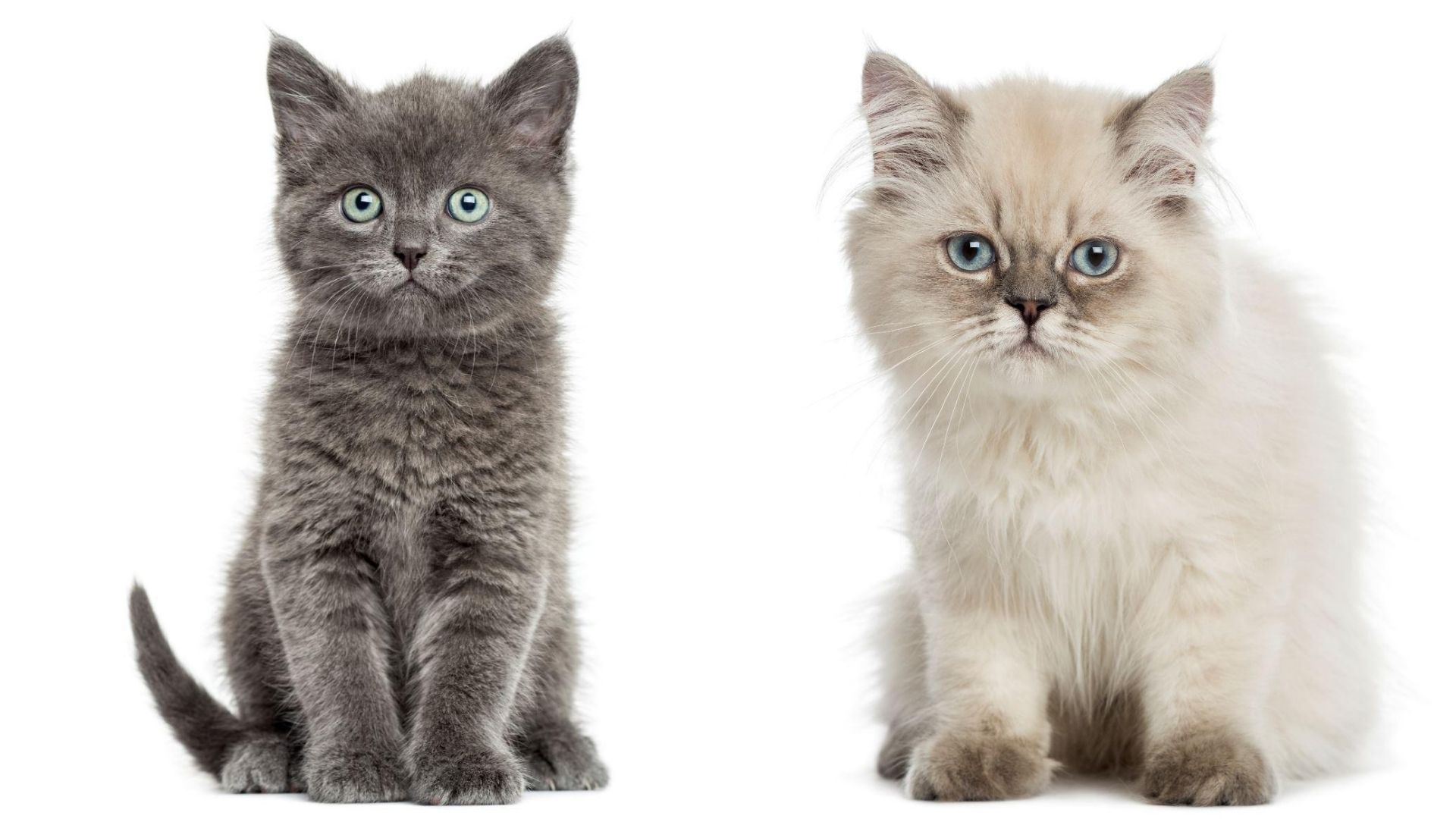

British Shorthairs are definitely the most popular mousers in our country. However, not everyone knows that the standard for this breed is not as obvious as it might seem. In addition to the well-known “plush” cats with short hair, there are also long-haired variants. The latter are gaining more and more interest, so they regularly appear in professional breeding today. Before deciding on a specific type of “Brit”, read our guide. We recommend in it which British Shorthair – short-haired or long-haired – is worth buying depending on your expectations.
Contents
The British Shorthair Cat: For Whom?
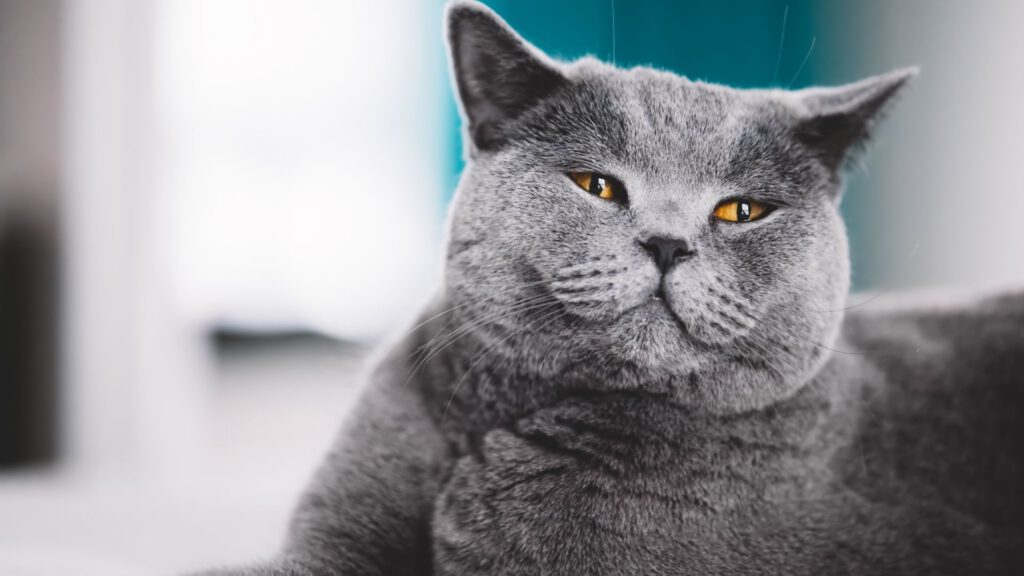
Members of this noble breed with short hair are characterized by very soft, yet dense fur, which feels like velvet to the touch. Physical contact with such an animal is very pleasant. In addition, it is worth noting that the short hair and undercoat guarantee easy, hassle-free grooming of your purring friend.
Pet Facts!
The short-haired British Shorthair cat requires brushing once a week. Even during shedding season, it doesn’t leave too many hairballs on the floor.
British Shorthair cats can also be a very good choice for allergy sufferers. Although they are not hypoallergenic cats, they have shorter fur which means they don’t need to lick themselves as often to remove dead hair. This means the cat doesn’t spread as many allergens around the house or apartment in the form of Fel d 1 protein found in their saliva.
Advantages of the British ShorthairCat:
- Easy to take care of
- Less hair on the floor and furniture
- Recommended for allergy sufferers
- Very pleasant to the touch
Disadvantages of the British Shorthair Cat:
The only downside may be that short-haired munchkins have become quite common, which may bother people who want to have an unusual, rarely seen cat in their home.
British longhair cat: what is worth knowing about it?
British longhair cat representatives of the breed are the result of crossbreeding a British Shorthair with a Persian and a Russian Blue. This combination has yielded very interesting results. The British Shorthair with long hair, especially in a cream coat, can easily be mistaken for a Persian cat. Interestingly, many people use this to their advantage, choosing a slightly cheaper “Brit” and being able to boast to their ignorant friends about owning a Persian.
Although British Longhairs are undoubtedly beautiful, they are much more troublesome to take care of, something you should be aware of before making the decision to purchase one. A Longhair cat requires brushing even 3 times a week. Its fur also gets dirty quicker, which may necessitate bathing the cat once a month – especially in the case of outdoor animals. However, British cats exceptionally don’t like baths.
Advantages of the British Longhair Cat:
This cat breed has a beautiful coat that resembles a Persian, but it is cheaper than a Persian.
Disadvantages of the British Longhair Cat:
- Require frequent brushing and bathing
- Not recommended for allergy sufferers
- Not recommended for people who like to have a perfectly clean floor (hair!)
How do the prices of British Shorthair and British Longhair cats compare? The former will still be cheaper due to its much greater availability. If you want a furry friend with long, showy fur, you’ll have to reach a little deeper into your pocket. For comparison: the price of a British Shorthair cat ranges from 1800-2200 PLN. For a Longhair, you have to pay a few hundred more.
Pet Facts – British short-eared cat?
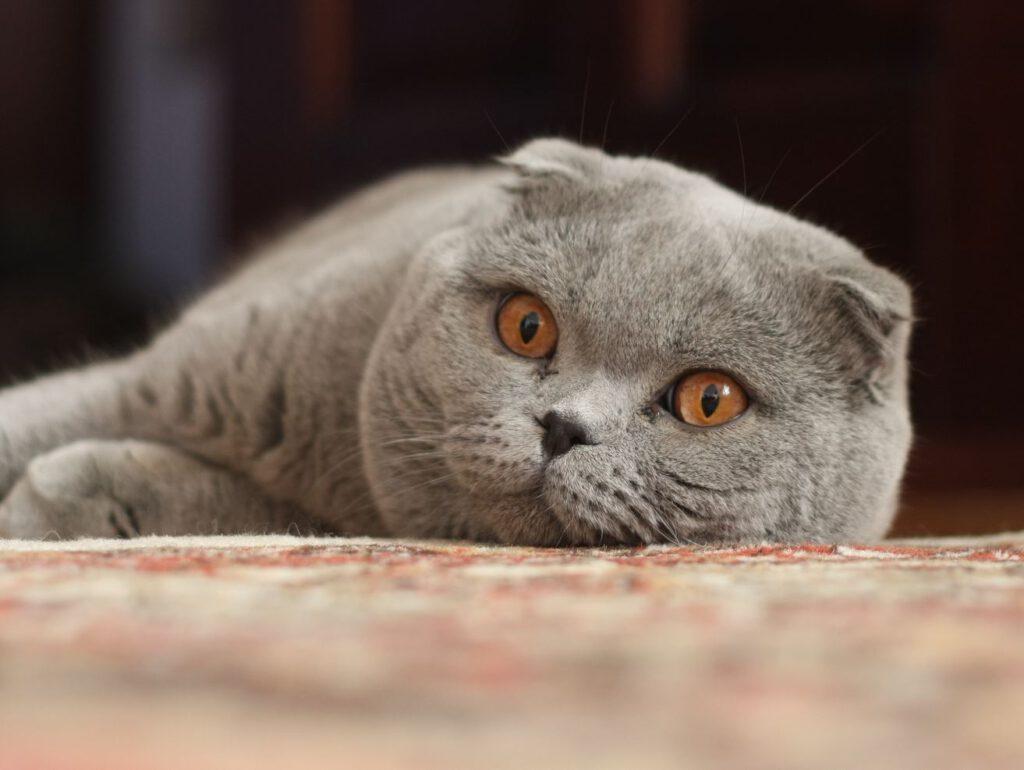
To finish off, we have a fun fact that may interest a fan of British Shorthairs looking for a very original mewing cat. The British Shorthair, or Scottish Fold as it’s really called, is a breed not recognized by the FIFe, but has been around since the 1960s. The Scottish Fold looks very similar to the “Brit”, but the characteristic feature of the breed are the very short, barely protruding ears.
