
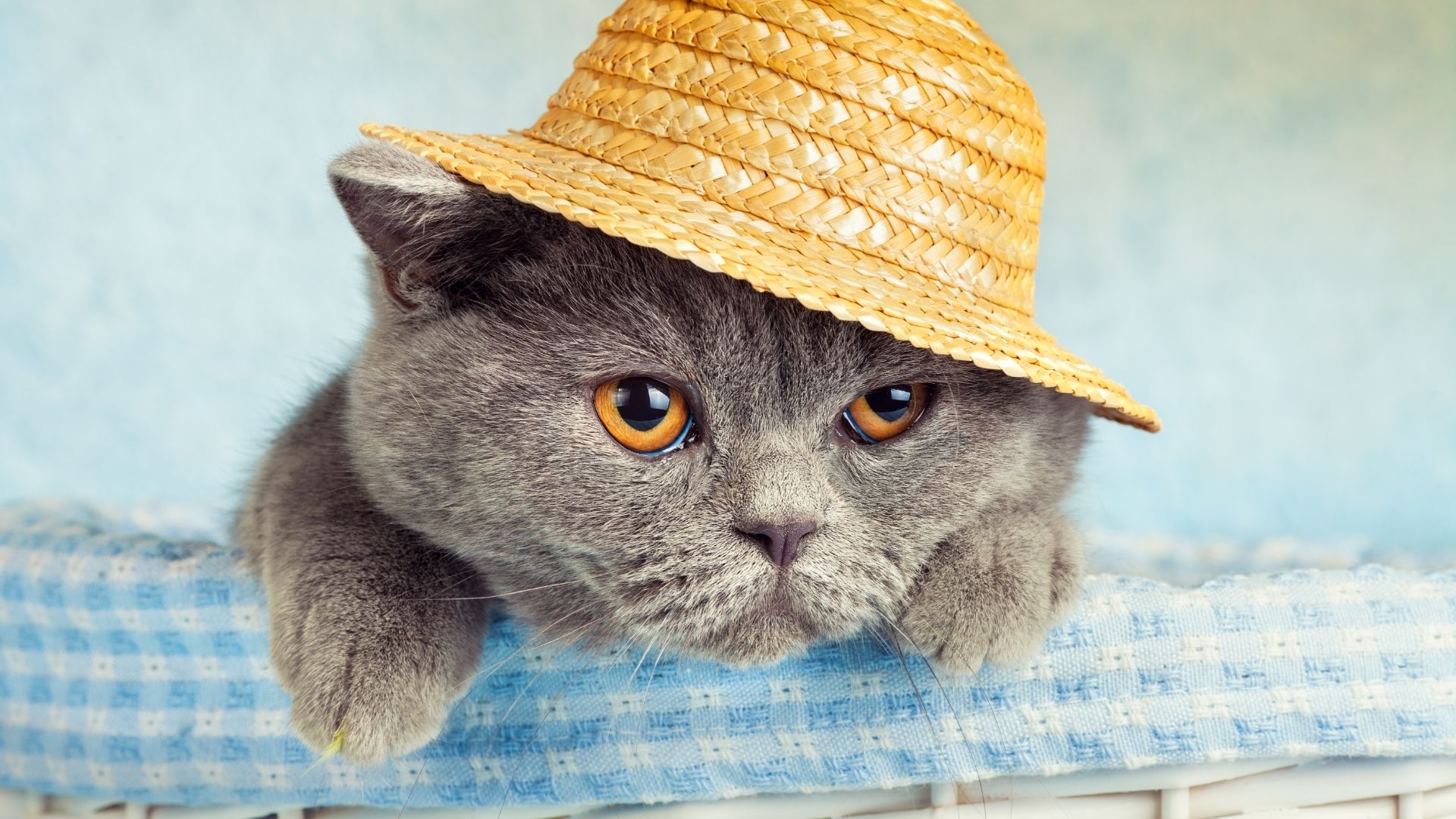

Many people undoubtedly wonder what lies behind the immense popularity of British Shorthair cats. It is true that they are beautiful, but is that the only reason? Of course not. The mass interest in “Brits” is also the result of the excellent reputation regarding their disposition. It is precisely the character of the British Shorthair cat that is the main reason why it has been maintaining its position in the top three of the most popular cat breeds in our country for years (next to the Russian Blue and the Ragdoll). However, it must be clearly stated that the characterological features of the “Brit” will not be suitable for everyone. Blind faith that the British Shorthair is a meowing ideal is the main cause of numerous disappointments. If you want to avoid this, before making the decision to purchase a representative of this breed, read our guide.
Contents
The Most Important Characteristics of the British Shorthair Cat
British Shorthairs are known for being very reserved when it comes to showing emotion. They are not gushy, they don’t like excessive affection, they can appear indifferent, somewhat aloof, and uninterested in family life. This is the first warning sign for people who have the idea of having a “Brit”, but mistakenly think that his teddy bear appearance is synonymous with a cuddly attitude towards the owner.
No, British Shorthairs don’t like to cuddle. They also don’t like being picked up. They have a strongly rooted need to make their own decisions, be independent, and choose solutions that suit them. The saying that cats always walk their own path perfectly sums up the nature of “Brits.”
The next important characteristic of this breed is laziness. Of course, the cat doesn’t take it this way. He simply doesn’t make unnecessary movements. If he doesn’t feel like playing (which is most often the case), you can’t force him to with any methods. In the end, the cat will simply leave the room “the English way” and hide where he feels safe. British cats are definitely not the athletic type, they are not physically active, but they love to lounge around, sleep and observe their surroundings.
Outstanding intelligence
Although the appearance of a British cat does not suggest it (tabbies), we are dealing with exceptionally intelligent representatives of the feline species here. The “Brits” can definitely be counted among the smartest breeds in the world. A cat quickly learns the customs prevailing in a new environment, perfectly recognizes the moods of the owner, does not undertake any activity that is not profitable for him. He can be cynical and easily takes the owner – for example, he kindly allows him to stroke, but in return expects some delicacy.
Self-service cat
One of the most prized qualities of British Shorthairs is their low need for socialization. This means that they are perfectly content taking care of themselves. This is desirable for owners who, due to numerous professional and personal obligations, do not have the time to strongly engage in taking care of their kitten. It does not bother the British Shorthair much if their owner leaves the house at 7 am in the morning and returns at 7 pm in the evening, for example.
Are British Shorthairs Good Cats for Kids?
This is one of the most frequently asked questions, to which we will give the most comprehensive answer possible. The British Shorthair is a good choice for a child, but only an older one who understands the characteristics of the breed and will not try to impose themselves on the kitten.
The fact that British cats don’t exhibit aggression is a highly desirable trait from a parental perspective. However, it is possible that if a kitten’s patience is tried, it will respond in an atypical way for itself – for example, by sneezing or even showing its claws. Children need to be warned about this.
The British Shorthair does not like to be cuddled, taken on hands, squashed, and feels bad in the role of a living toy. That is why it is not a good choice for younger children, who obviously want to have a very close contact with a new pet. Although the “British” is an oasis of patience, it can even get angry, and at the same time is very forgetful. If the child once gets on its nerves, it will consistently avoid contact with him.
British Shorthair and Dog
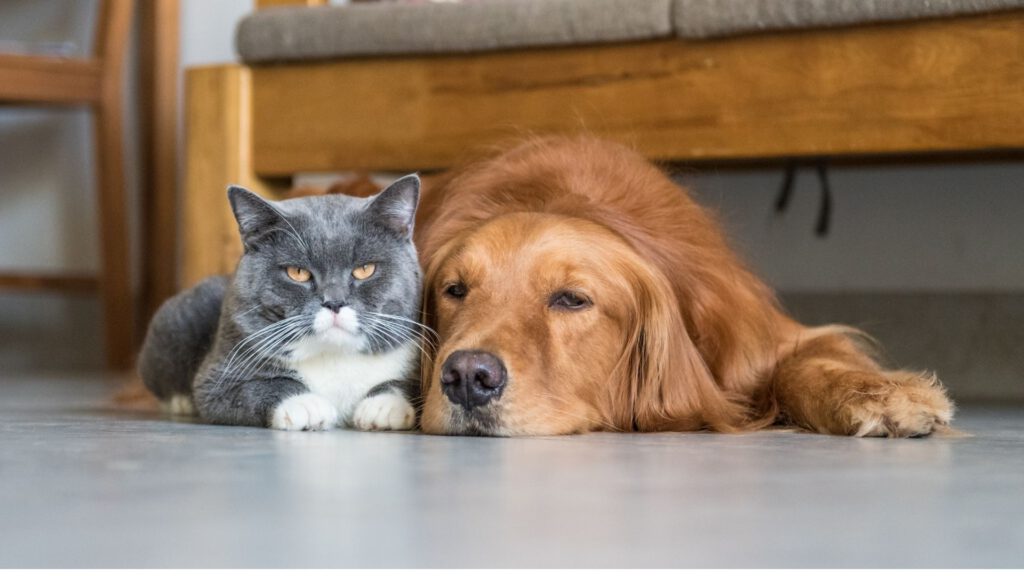
Is this arrangement even possible? It turns out that it is. British cats tolerate living in a shared environment with other animals, including dogs, quite well. There is only one condition: the kitten must have its own safe zone, which is one that nobody – especially not a dog – has access to.
The British Shorthair has a very distinct character which will be a key advantage for many people, but for others it may be seen as a disadvantage. Carefully consider the whole content of our guide and make a conscious decision, without succumbing to emotions.

Comments are closed.